When people think of Phuket, images of blue seas, sandy beaches, and outdoor adventures are often the first things that come to mind. But during the rainy season—or on days when the weather does not cooperate—the fun and an active lifestyle do not have to stop.
For anyone searching for indoor activities in Phuket, a place to work out in the Cherng Talay area, or wellness activities that help restore energy and well-being, spending time in a destination that brings together fitness, wellness, and lifestyle experiences can turn an ordinary rainy day into one filled with movement, energy, and enjoyment.
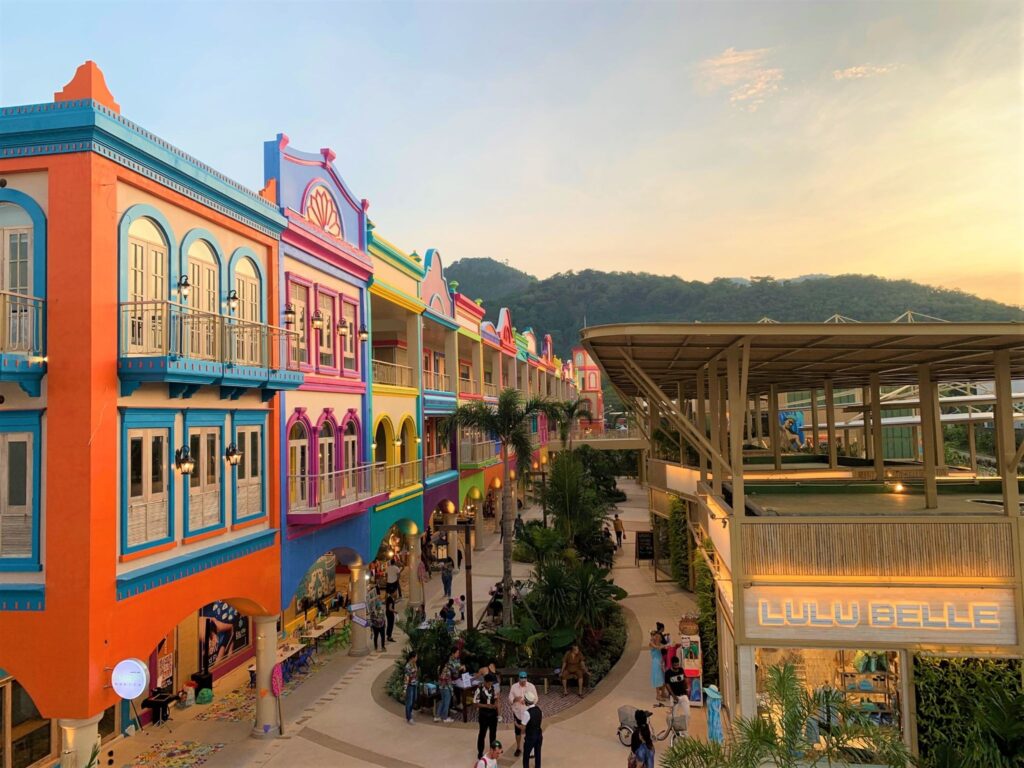
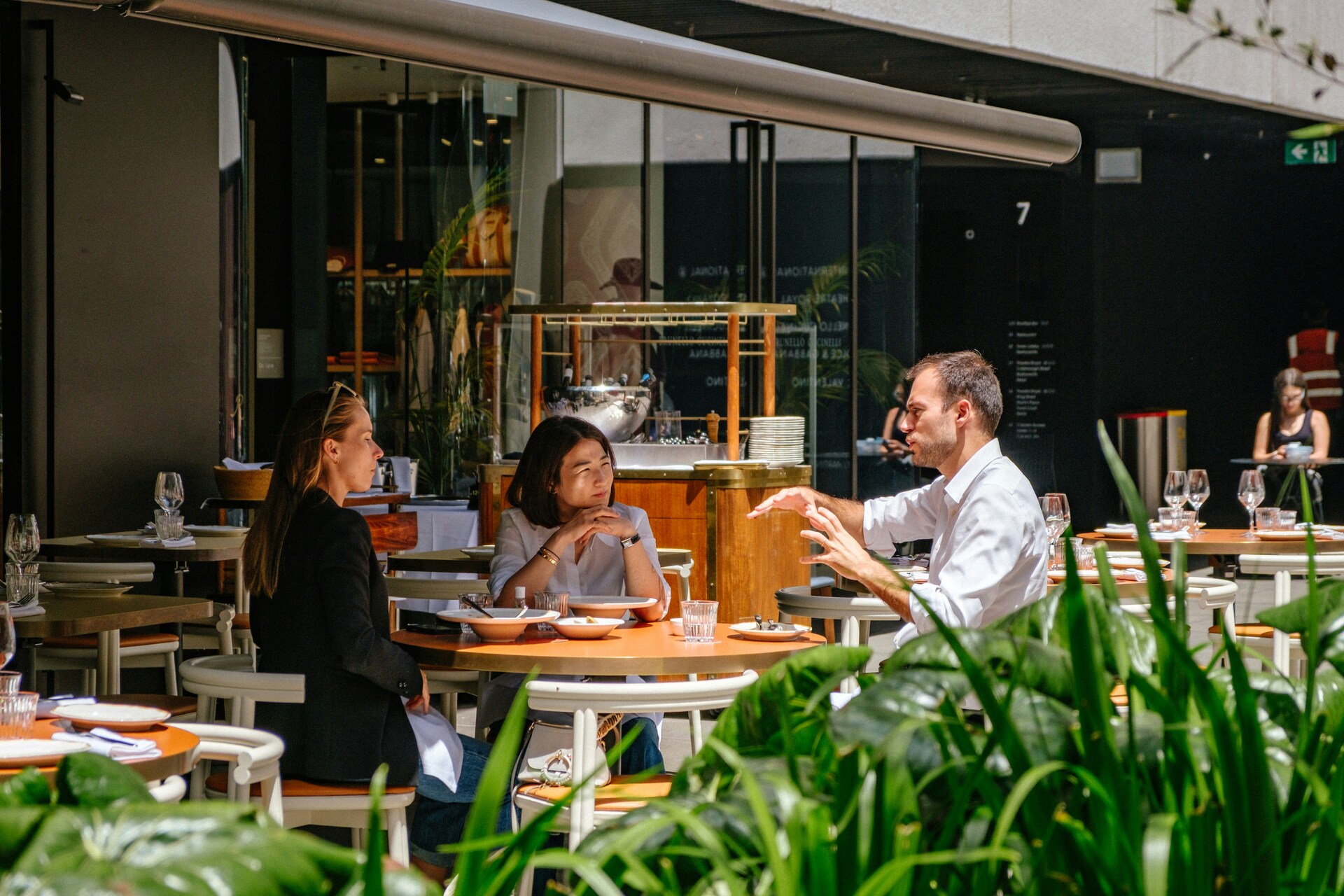
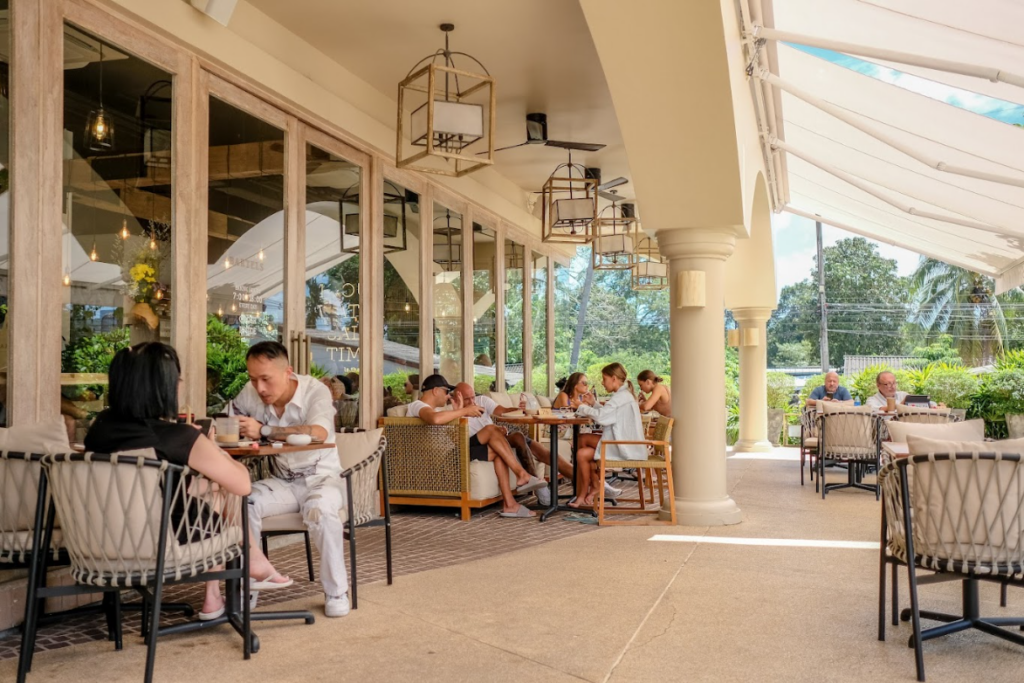
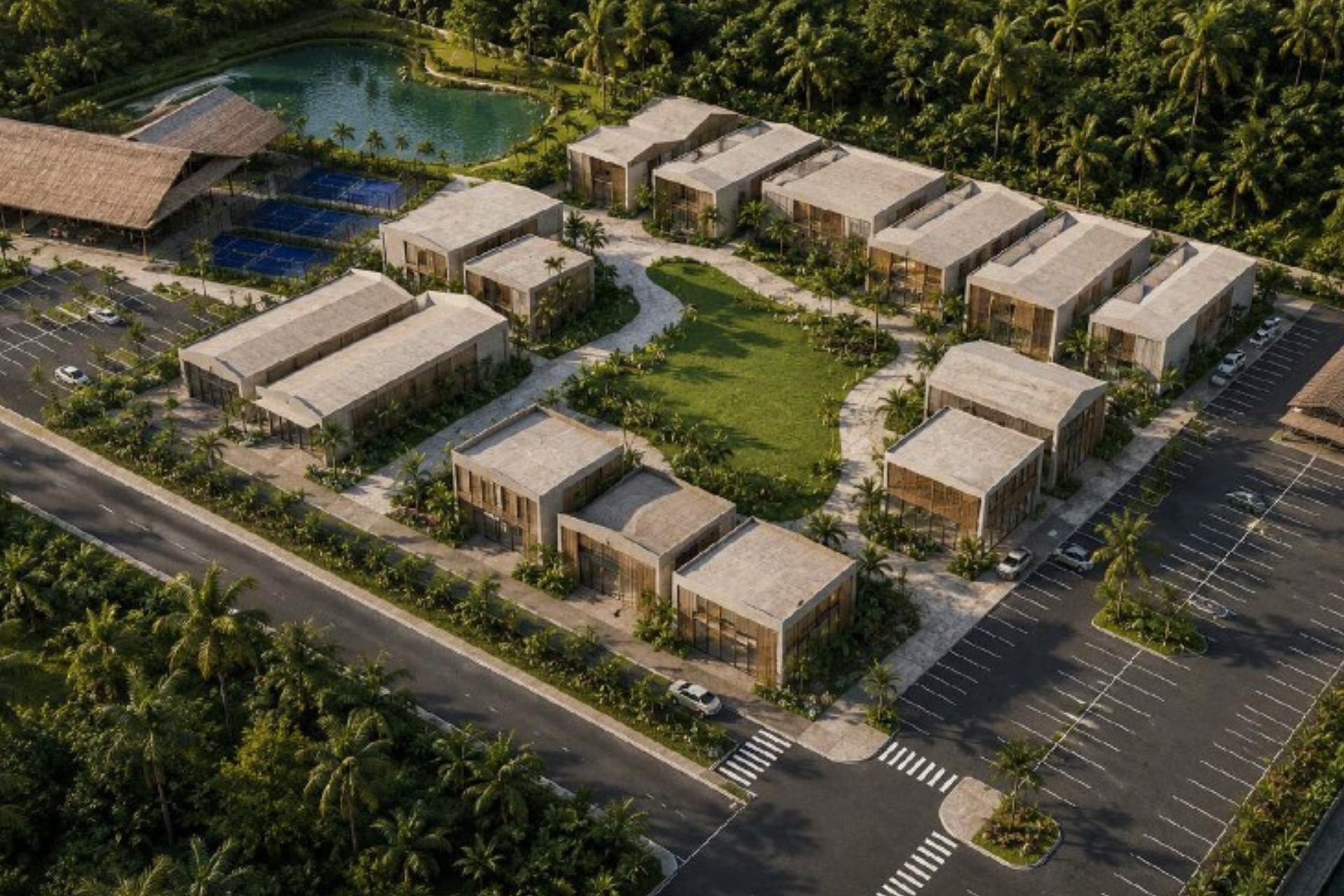
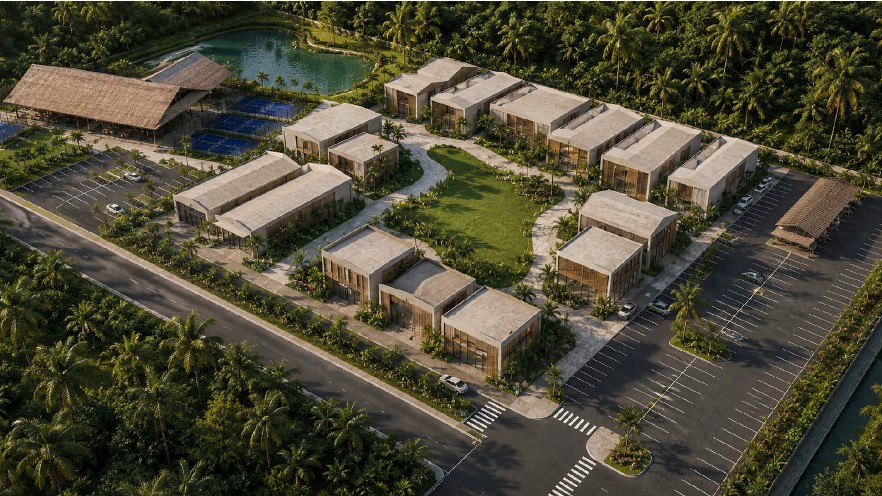
Blue Tree Phuket is a lifestyle destination where fitness, wellness, restaurants, and cafés come together in one place. Here, rain does not have to interrupt your day. Instead, it becomes another opportunity to move your body, recharge, and enjoy meaningful time for yourself.
Start the Day with a Workout in Cherng Talay
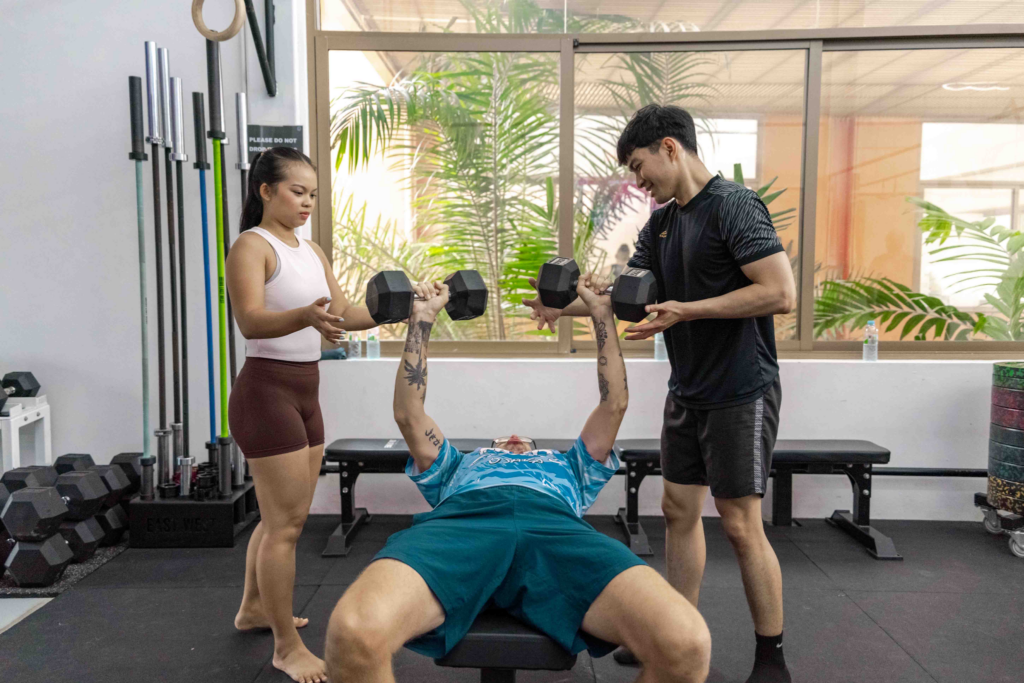
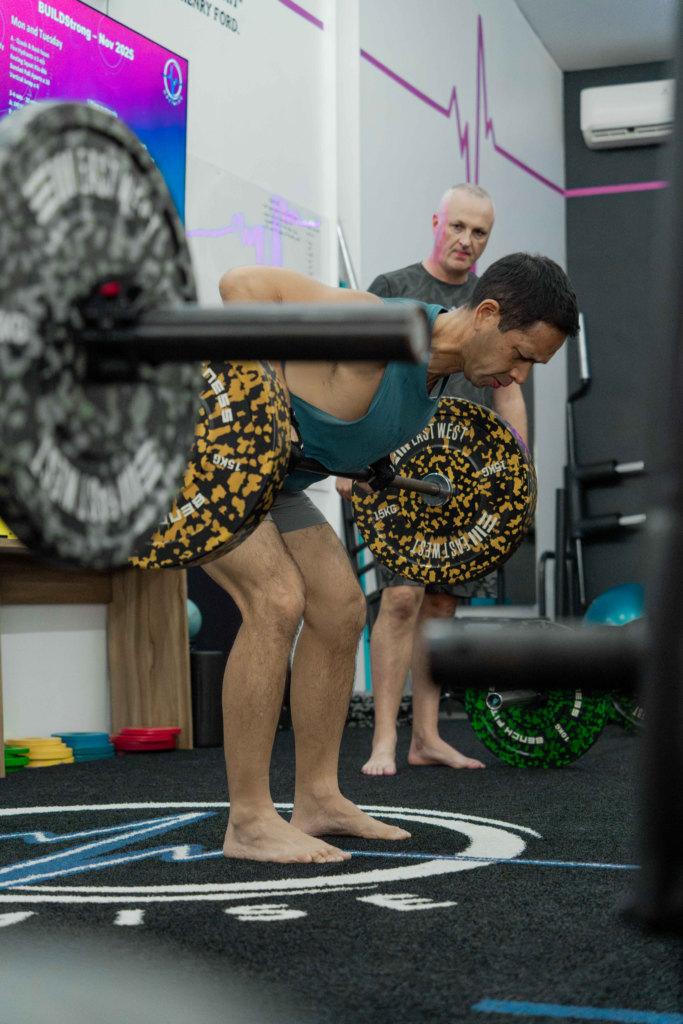
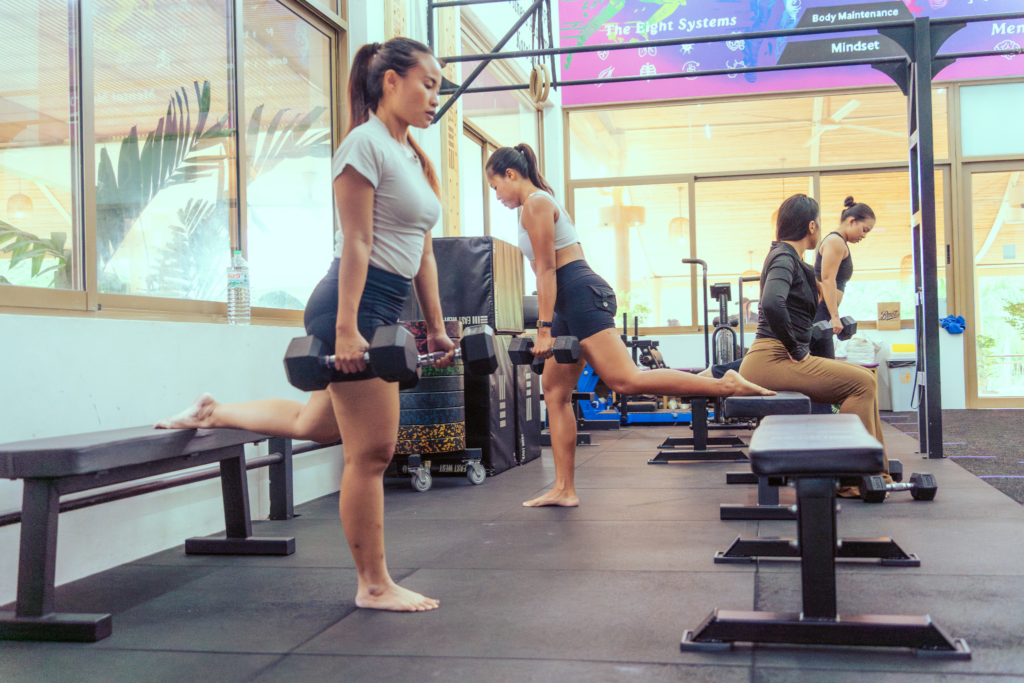
For those searching for fitness in Cherng Talay, Blue Tree Phuket offers a variety of options for different fitness goals and lifestyles.
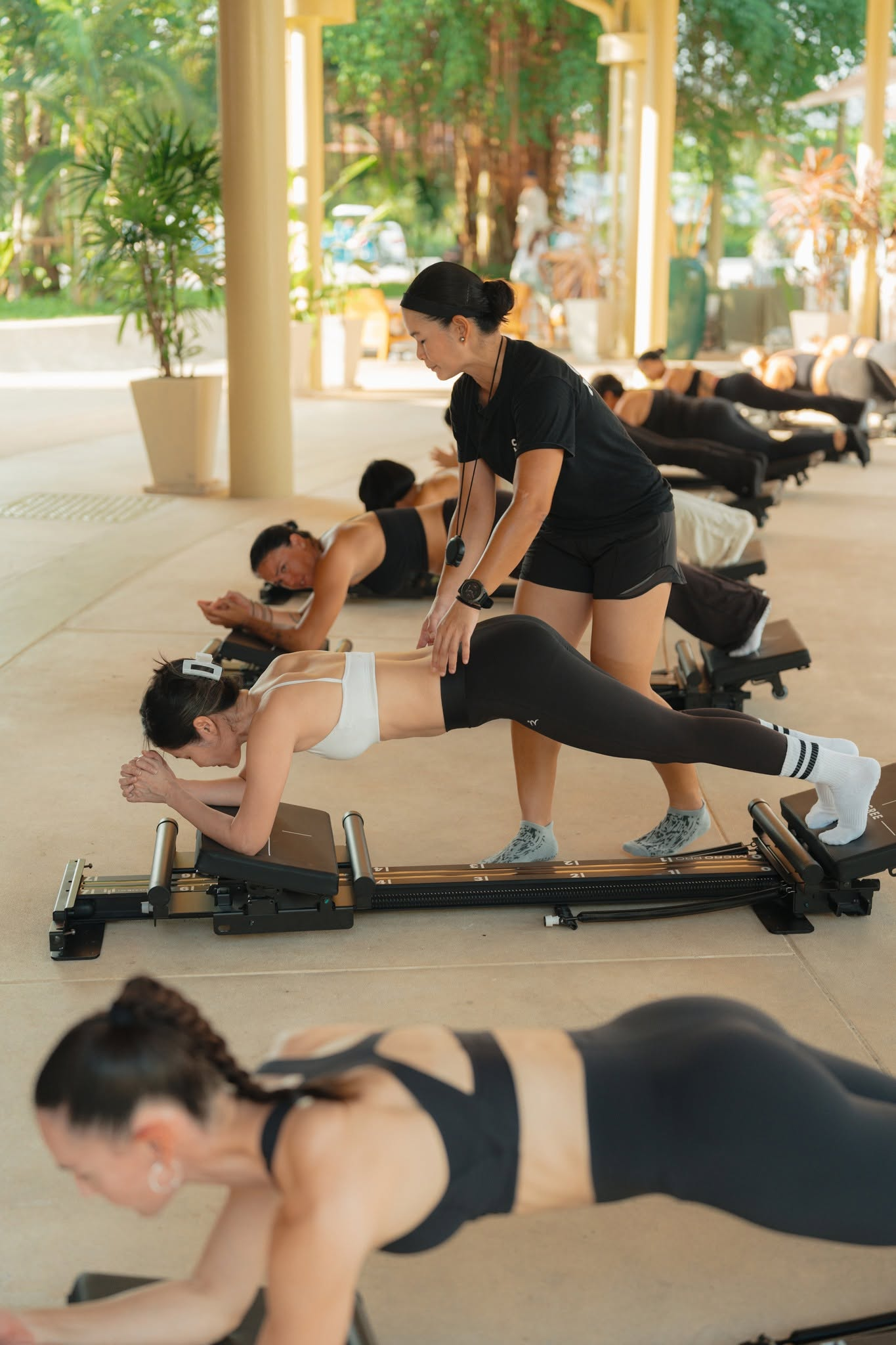
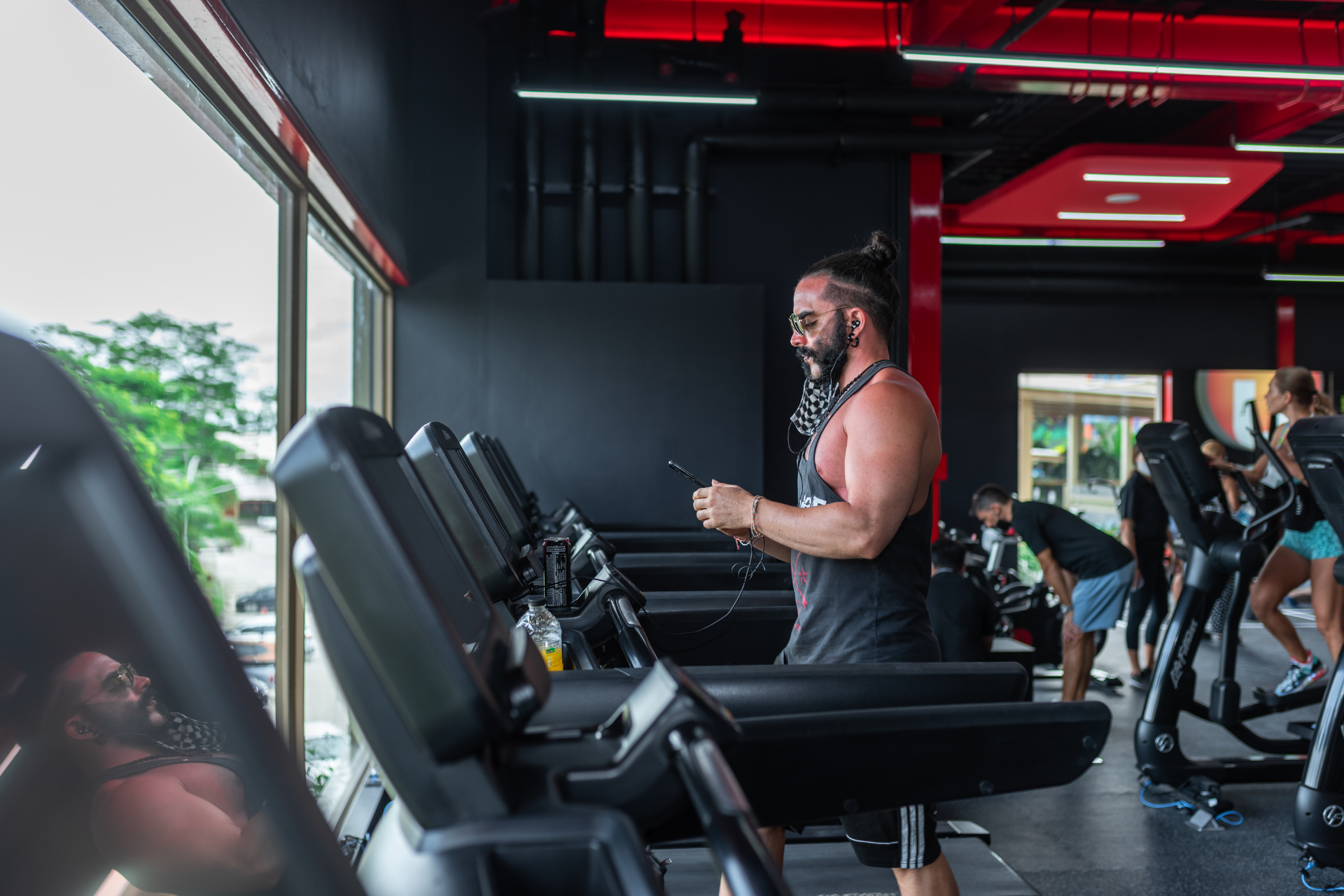
You can work out at UTime Fitness, which is open 24 hours a day, or try a Lagree session at Carve House, where the focus is on strengthening the muscles and building core stability. Both options make it easy to maintain your regular fitness routine, even when it is raining outside.
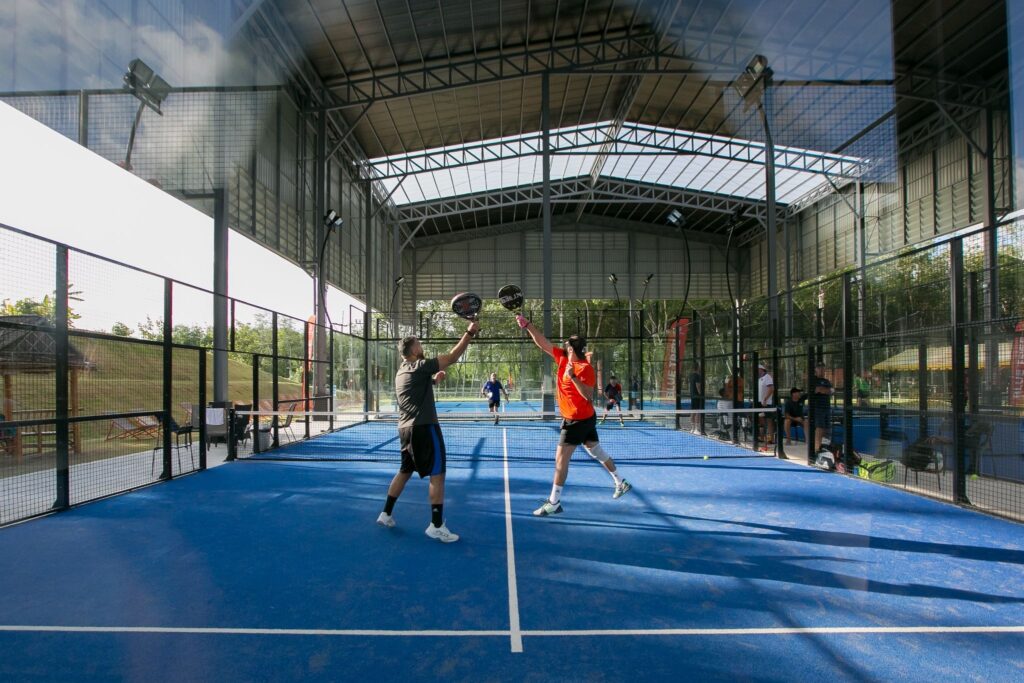
Sports enthusiasts can also switch things up with Padel Tennis, a modern racket sport that continues to grow in popularity across Phuket. It is suitable for both beginners and regular players looking for a fun and active way to spend the day.
Restore Balance with Wellness Activities
Sometimes, a rainy day offers the perfect opportunity to slow down and pay greater attention to both physical and mental well-being.
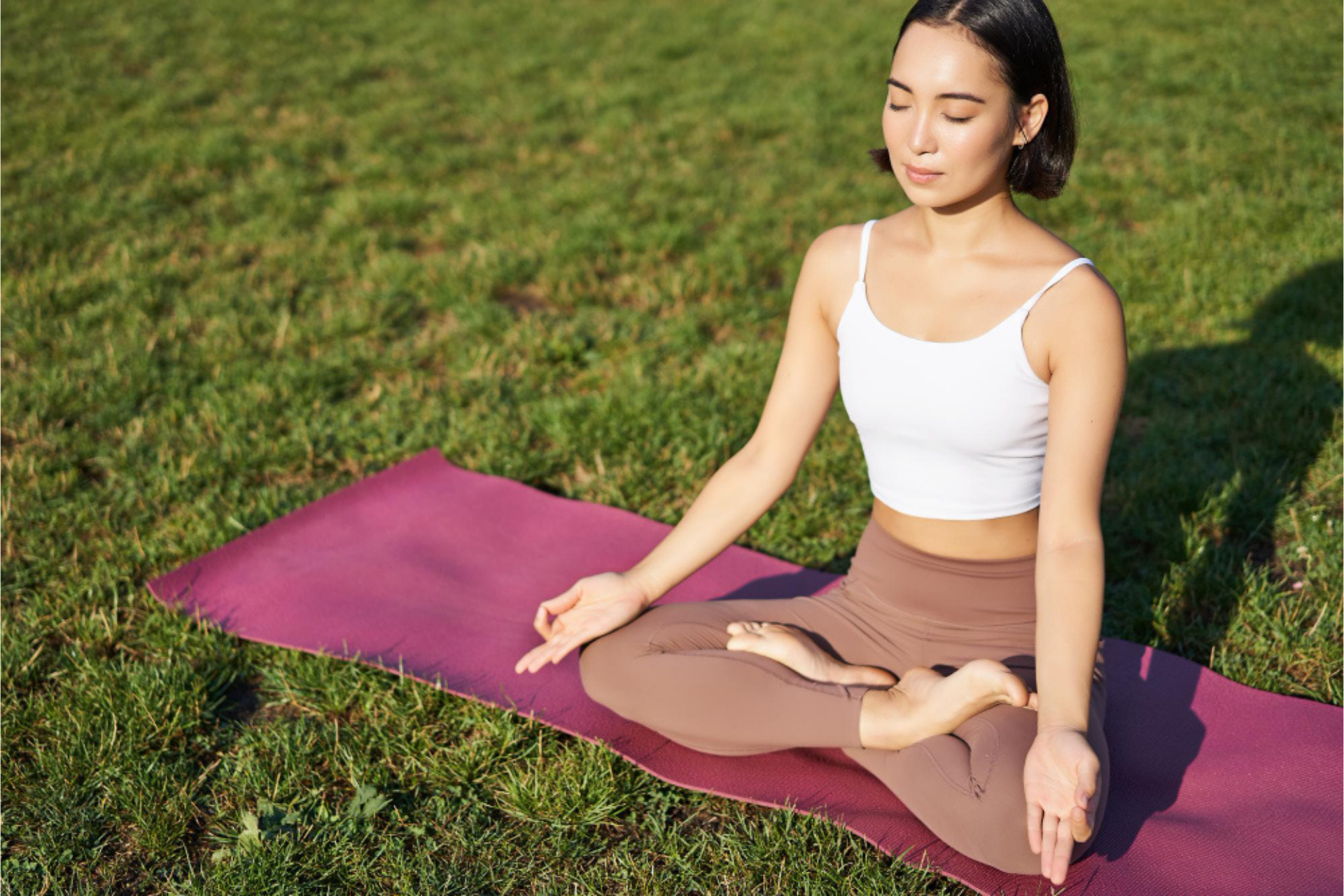
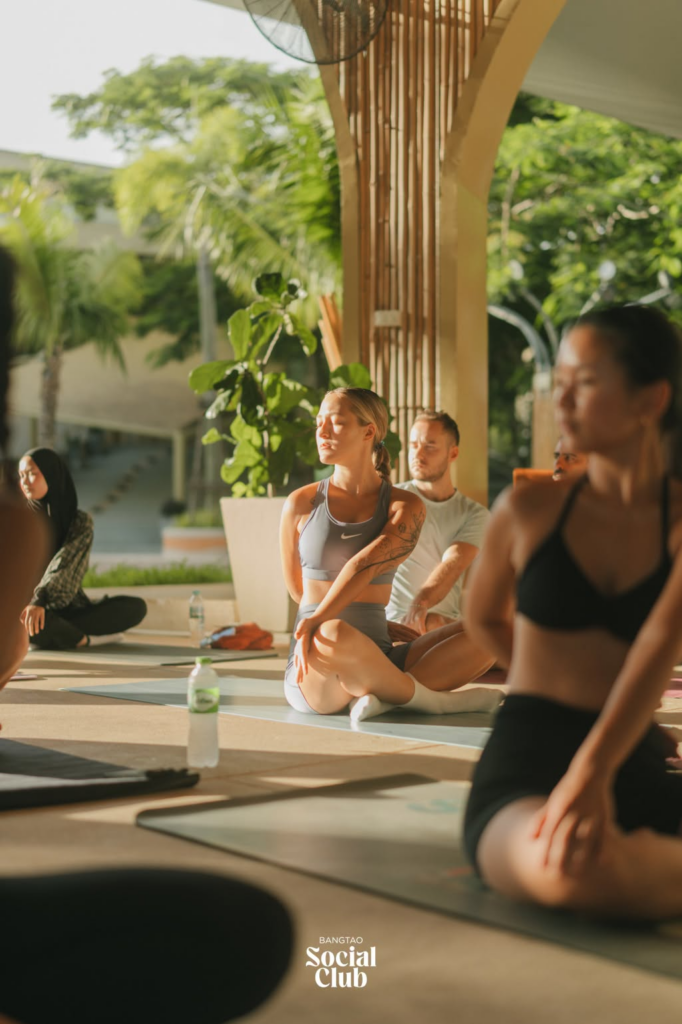
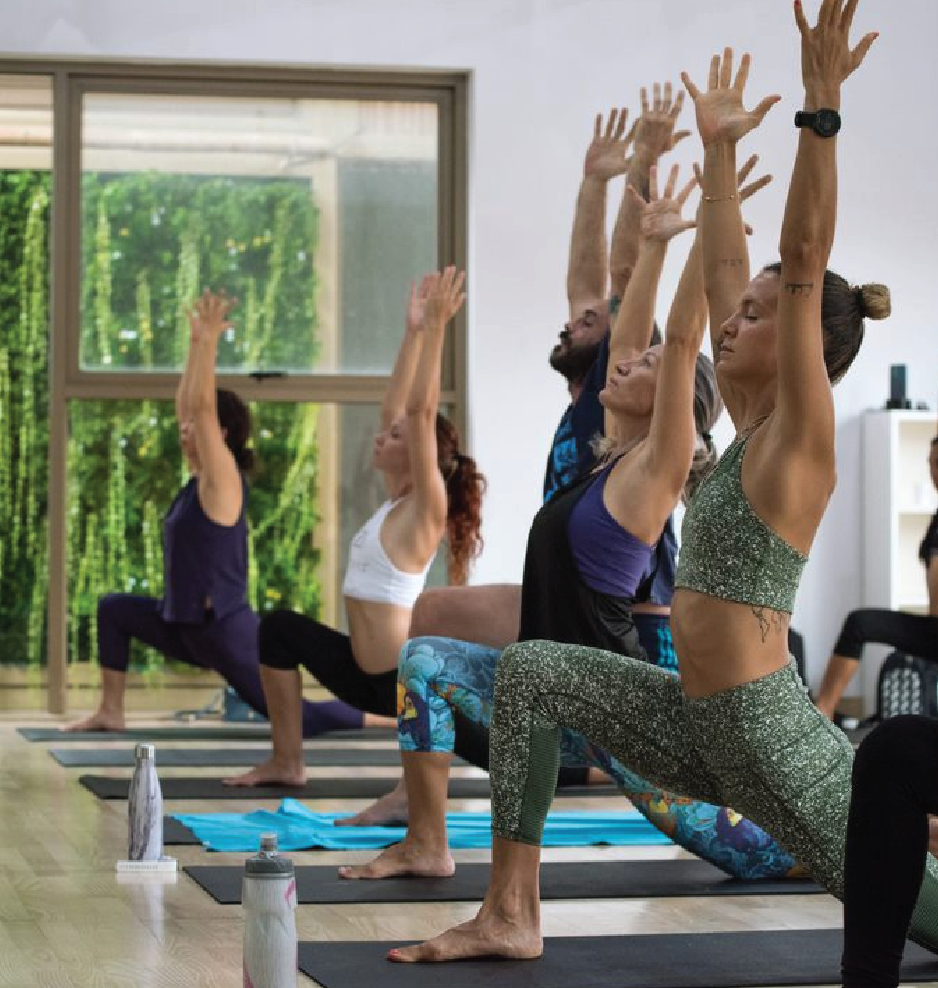
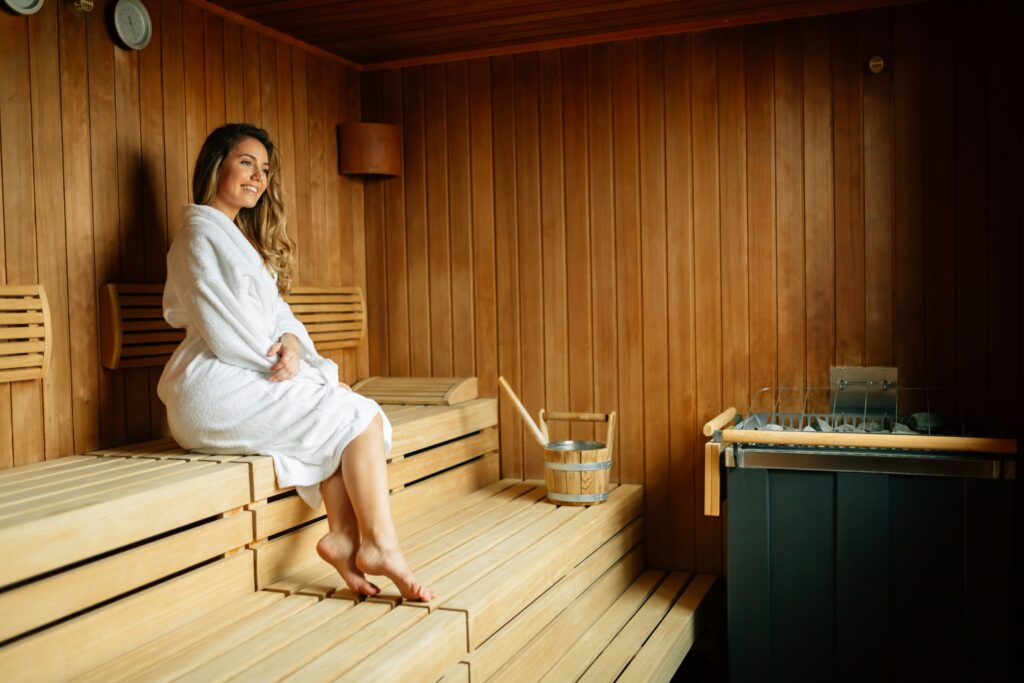
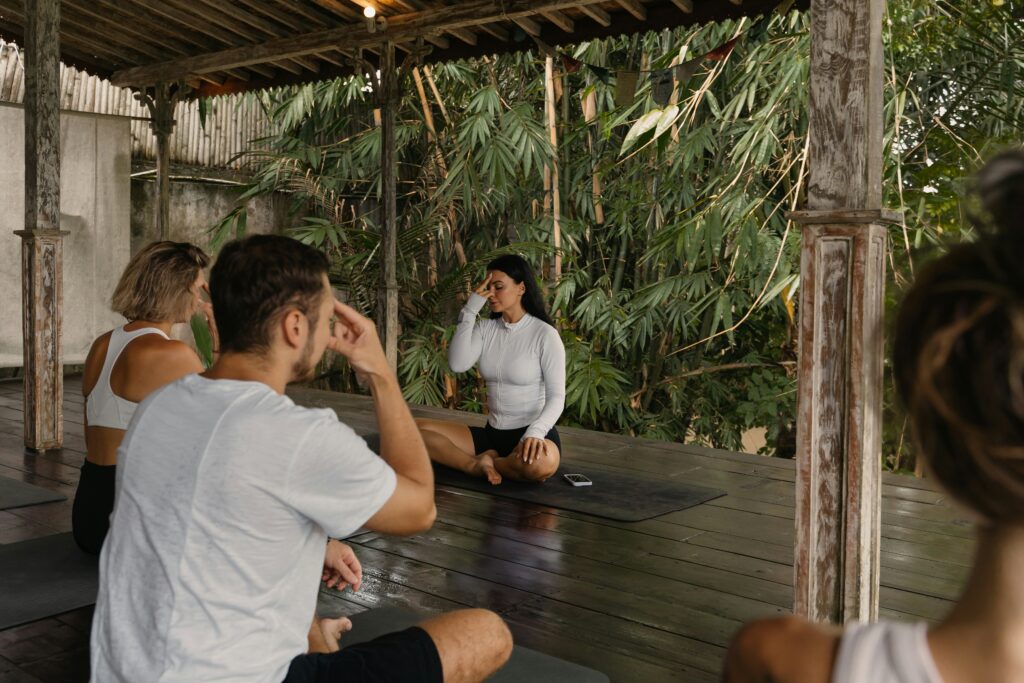
At Blue Tree Phuket, you can begin the day with a class at Yoga Republic, suitable for both beginners and experienced practitioners. After exercising, unwind with a relaxing treatment at Serenity Massage, helping ease muscle tension and restore the body before returning to your day feeling refreshed.
This reflects the idea behind wellness activities in Phuket—a holistic approach to well-being that combines movement, relaxation, and greater balance in everyday life.

A Place to Move, Recharge, and Feel Good
Blue Tree Phuket brings the concept of an active lifestyle to life by combining fitness facilities, indoor activities, and wellness experiences within one destination. Visitors can choose how they spend their time based on their interests, whether the day is sunny or rainy.
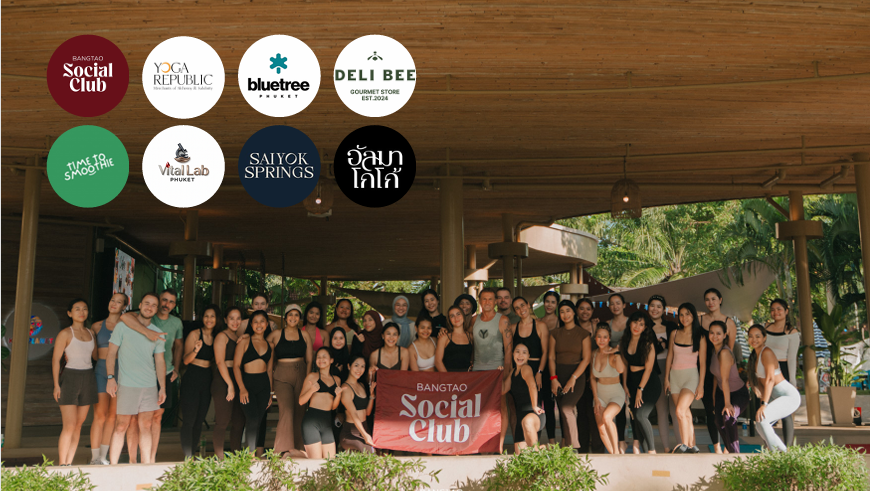
More than simply a place to escape the weather, Blue Tree Phuket provides a welcoming environment where people can care for their health, stay active, and enjoy quality time alone, with family, or with friends—all within an energetic and vibrant community atmosphere.
For those looking for indoor activities in Phuket, fitness in Cherng Talay, or wellness activities in Phuket, a rainy day no longer has to be an obstacle. It can become an opportunity to discover new activities and recharge both body and mind in a way that feels right for you.